October 23, 2026
Commercial plazas, mixed-use developments, and residential communities face mounting difficulties when managing private parking areas after normal operating hours. When daytime management staff depart for the evening, lots become vulnerable to unauthorized vehicles, blocked driveways, and abandoned cars. Implementing professional private property towing provides property managers with a dependable method to preserve order, maintain access, and protect their physical grounds throughout the quiet night hours. By establishing proactive vehicle oversight, property supervisors ensure that reserved spaces remain accessible for legitimate tenants, patrons, and emergency responders who require unobstructed passage at all times.
Unchecked parking violations create operational headaches and frustrate residents who expect open stalls upon arriving home late in the evening. In fact, according to AgentZap.ai, 67% of calls for towing assistance occur outside standard daytime business hours, illustrating the persistent need for responsive night coverage. Property administrators cannot oversee their lots around the clock without specialized external support. Partnering with a dedicated towing provider helps communities safeguard their property rights, reduce tenant frustration, and prevent lingering parking disruptions from escalating into major security concerns.
Manage Access and Space
Unauthorized parking during overnight hours deprives paying residents and authorized visitors of their designated spaces. Apartment complexes frequently contend with non-resident drivers taking reserved spots, leaving tenants stranded without a place to park after completing late-night work shifts. When residential facilities lack active enforcement, outside motorists begin treating private spaces as open public parking areas. Utilizing private property towing establishes clear boundaries and reminds motorists that designated stalls belong strictly to authorized community members and registered guests.
Commercial shopping centers and office parks encounter similar challenges once store doors close and evening crowds disperse. Nearby nightlife patrons, commuters, and long-haul commercial truckers often view empty plazas as convenient overnight parking depots. These unauthorized vehicles complicate scheduled morning lot sweeping, prevent waste disposal trucks from reaching on-site dumpsters, and hinder early freight deliveries. Removing these vehicles in a timely manner preserves vital access corridors, maintains operational cleanliness, and keeps commercial real estate functional for morning patrons.
Protect Safety and Security
Unregulated parking creates immediate safety hazards by obstructing fire lanes, blocking municipal hydrants, and narrowing vital access corridors. In an unexpected emergency, first responders require wide turning radiuses and unobstructed passage to position emergency apparatus and reach building entrances without delay. When an inconsiderate driver abandons a vehicle in a posted red curb zone, every moment spent maneuvering around the obstacle puts lives and community structures at risk. Nighttime enforcement guarantees that emergency lanes remain clear and accessible for emergency vehicles.
A neglected parking lot can attract illicit activity, property vandalism, and vehicle abandonment over extended periods. Dark or unmonitored parking corners with stationary, unauthorized vehicles invite unwanted loitering, diminishing overall neighborhood safety and resident peace of mind. Consistent private property towing removes questionable vehicles before they turn into persistent community eyesores or security liabilities. Maintaining visible control over every stall reinforces safety standards, discourages criminal behavior, and demonstrates to the entire neighborhood that management actively protects the premises.
Select Providers and Equipment
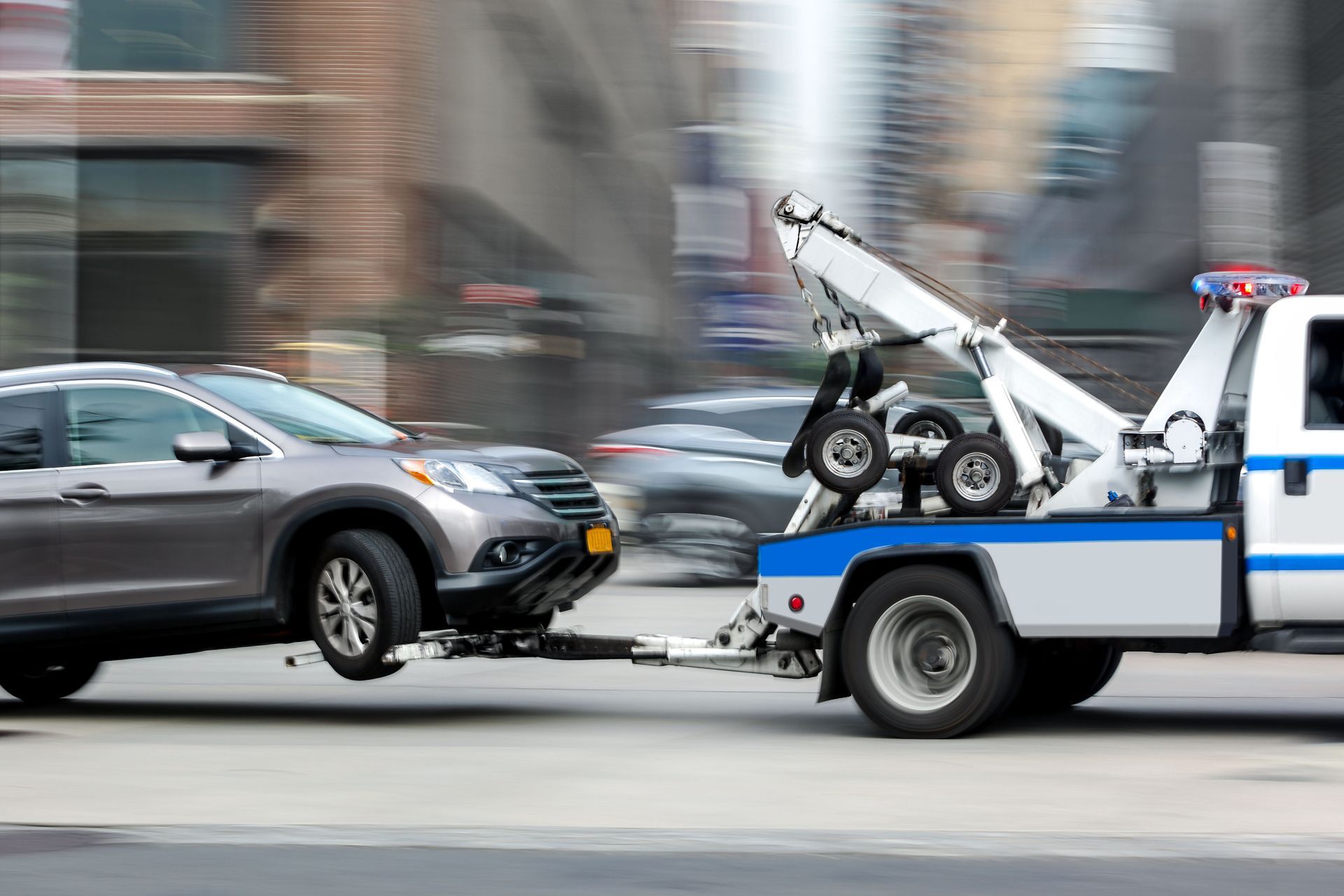
Selecting an experienced towing partner requires evaluating mechanical capabilities and fleet readiness for diverse vehicle recovery scenarios. Dependable private property towing requires versatile tow trucks, including wheel-lift and flatbed units designed to navigate tight carports, low-clearance garages, and crowded residential drives. A capable fleet ensures that operators can extract passenger sedans, oversized pickup trucks, electric vehicles, and commercial vans safely without causing damage to asphalt, curbs, landscaping, or adjacent parked vehicles during the removal process.
Beyond specialized mechanical equipment, property managers must evaluate the operational expertise and technical proficiency of the towing personnel. Skilled towing technicians possess the practical competence to secure vehicles using industry-approved rigging techniques and protective safety attachments. Experienced operators also maintain a thorough working knowledge of local impound regulations, which shields commercial and residential property owners from potential legal exposure. Choosing a qualified provider ensures that every vehicle removal proceeds smoothly, safely, and in complete alignment with regional municipal codes.
Establish Rules and Signage
Clear, direct communication forms the bedrock of any successful parking management and enforcement program. Property managers should provide incoming tenants with written parking rules upon signing a lease, detailing where vehicles may park and when enforcement occurs. When residents thoroughly understand community expectations regarding visitor passes, reserved stalls, and assigned carports, unintentional parking violations decrease substantially. Open dialogue sets clear expectations, fosters mutual respect between property staff and residents, and prevents unnecessary confusion across the complex.
Visible signage serves as the primary legal warning for outside motorists entering private facilities and commercial properties. Warning signs must display concise wording, bold lettering, reflective material, and prominent placement at every vehicular entrance and along designated fire lanes. Proper signs specify that unauthorized vehicles will be removed through private property towing at the vehicle owner expense. Distinct visual warnings deter casual violators, eliminate claims of ignorance, and satisfy statutory requirements for lawful vehicle impound operations.
Resolve Violations and Disputes
Encountering an unauthorized vehicle requires a systematic protocol to verify violations before calling for a vehicle removal. Dedicated private property towing programs rely on authorized property representatives who confirm that a vehicle lacks a valid permit or occupies a restricted space. Standardized documentation, including detailed photographs of license plates, parking decals, and posted signs, protects both the property owner and the towing service. Establishing a consistent verification procedure minimizes human errors and ensures that lot enforcement remains objective, transparent, and fair.
Towing situations can evoke emotional reactions from vehicle owners who return to discover their cars removed from a lot. Dealing with these interactions requires professional composure, clear documentation, and calm communication from property managers and towing dispatchers. Directing vehicle owners to secure storage yards where impounded vehicles can be retrieved safely defuses tension and provides a straightforward path to resolution. A structured resolution process protects on-site staff members, clarifies vehicle recovery procedures, and resolves disputes without unnecessary confrontation.
Maintain Compliance and Standards
Municipal ordinances dictate specific rules regarding vehicle impounds, including required hold times, storage facility standards, and release protocols. Property managers must stay informed about evolving city, county, and state regulations to avoid wrongful tow allegations or protracted legal disputes. Partnering with professional towing operators who closely track regulatory updates ensures that every action taken on the property complies with statutory requirements and administrative codes, protecting the community from administrative penalties.
Long-term success depends on regularly evaluating lot conditions, reviewing resident feedback, and refining enforcement strategies. Sustainable private property towing balances strict property defense with fair, orderly community standards that serve everyone. As urban neighborhoods grow denser and street parking becomes increasingly scarce, disciplined parking enforcement keeps private developments organized, safe, and welcoming. Proactive property oversight preserves overall real estate values and fosters a well-ordered living environment for every resident across the property.
Managing after-hours parking demands constant attention, strategic planning, and dependable professional collaboration. Without steady enforcement, private properties risk overcrowding, blocked emergency lanes, and compromised resident safety throughout the night. Incorporating regular private property towing ensures that unauthorized vehicles do not infringe upon private spaces or create hazards during the quietest hours of the evening. A well-executed parking program protects community integrity while preserving valuable space for authorized occupants and visitors alike.
Property owners and managers deserve complete confidence that their facilities remain orderly, safe, and accessible throughout the night. By working together, we can design a customized enforcement strategy that addresses unauthorized parking, keeps emergency corridors clear, and maintains peace of mind across your community. Call our team at At Your Service Towing today to protect your property and manage all your after-hours towing needs.